

Talk About Water Safety
—Melissa Miranda, Boating and Education Outreach Manager, Interpretation and Education Division
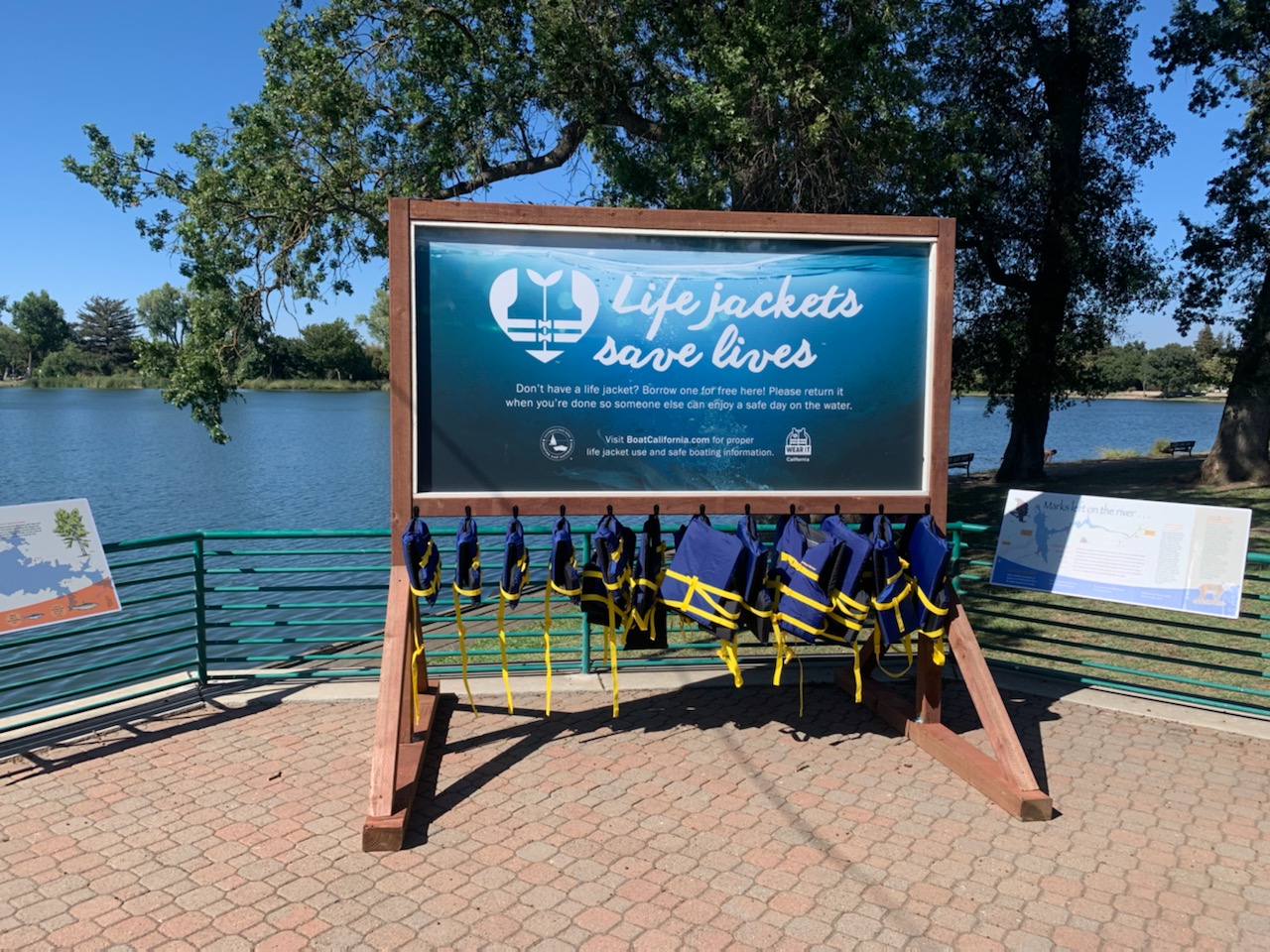
Water Safety as Part of the Conversation
As the weather warms, more visitors head to California’s beautiful waterways to cool off and enjoy the outdoors. Water is one of the biggest draws to our parks and one of the most preventable sources of emergencies. The good news: simple, well-timed conversations can make a real difference. When safety messages feel relevant, conversational, and timely, visitors are more likely to remember and act on them.
Share Safety Naturally
- Start with the visitor’s experience, not the rule. A friendly observation or question opens the door:
Instead of “Wear a life jacket,” try: “Heading out for your first paddle of the season? The water is still really cold. Most people are surprised how fast cold shock can happen.” - Pair tips with the “Why.” Explaining the reason turns guidance into helpful insider knowledge.
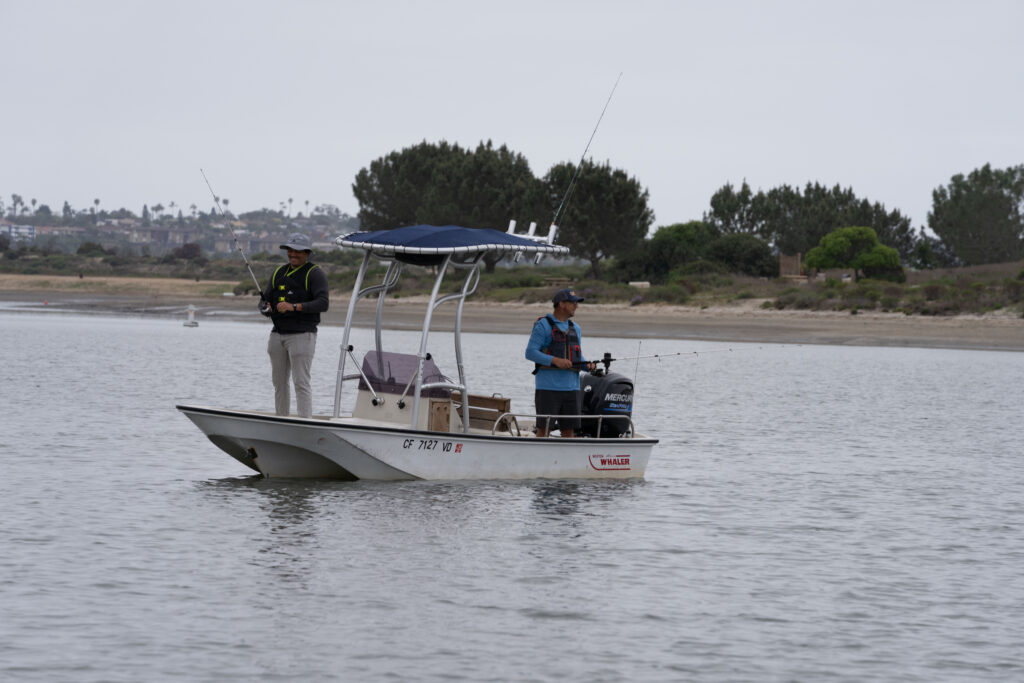
When safety messages feel relevant, conversational, and timely, visitors are more likely to remember and act on them.
Conversation Starters in the Field
- At the launch ramp: “Looks like a great day to paddle! This lake stays cold year-round, so most paddlers keep their life jackets on the whole time.”
- Near the shoreline with families: “This area is great for exploring, but it drops off quickly past those rocks. Many families choose life jackets for their kids here.”
- With anglers along a river: “The current is stronger than it looks this time of year. Lots of anglers wear life jackets because the banks can be slippery.”
- Around the campground: “Mornings are usually calmer for paddling—great timing before the afternoon winds pick up.”
Clean and Green Connection
Safety and stewardship go hand in hand. Encourage visitors to pack out trash and follow the “Clean, Drain, and Dry” guidance for boats and gear to prevent the spread of invasive species. Protecting waterways helps keep recreation safe and enjoyable for everyone.
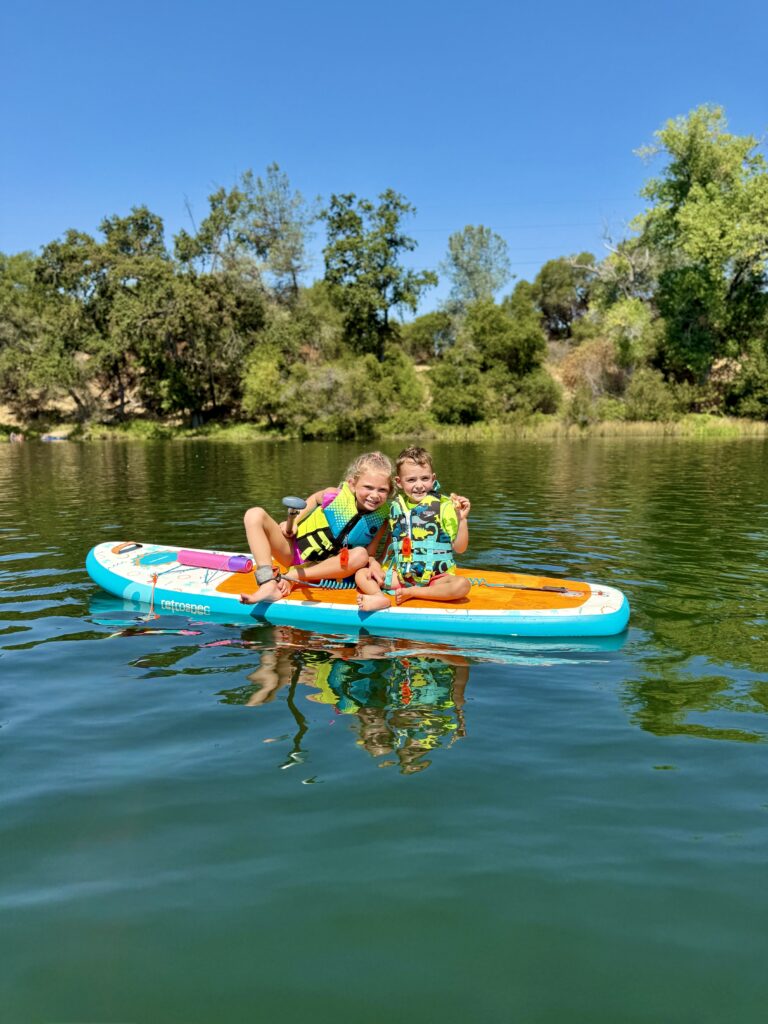
Paddleboards are vessels. Life jackets must be carried and children under 13 must wear one on a moving vessel.
Hot Topics
Paddle Craft
- Paddleboards and other paddle crafts are increasingly popular with new recreators.
- Paddle craft incidents account for about one-third of boating fatalities annually.
- Paddleboards are vessels. Life jackets must be carried and children under 13 must wear one on a moving vessel.
- Leashes are recommended, but the type matters: coiled leashes for flatwater; quick-release leashes for rivers.
Invasive Species (Golden Mussels, etc.)
- “Clean, Drain, Dry” really matters. Even for paddle craft. Aquatic invasive species like quagga and golden mussels spread primarily by hitchhiking on boats, boards, paddles, and gear. A simple routine: clean off mud and plants, drain all water, and let gear dry. These simple actions can prevent moving species between waterways.
- Invasive mussels can permanently change a waterway. Quagga and golden mussels multiply rapidly, clog infrastructure, damage boats, and disrupt fish habitat and food webs. Once established, they are nearly impossible to remove. Prevention is the only effective solution.
- Learn more from the Division of Boating and Waterways and California Fish and Wildlife.
Small Moments, Big Impact
- Water safety conversations can happen anywhere. Entrance kiosks, roving contacts, visitor centers, or casual chats offer the perfect opportunity to engage in a conversation that may save a life!
- Water safety isn’t a script. It’s a conversation. Interpreters are one of the most powerful tools we have to help visitors enjoy the water and return home safely.